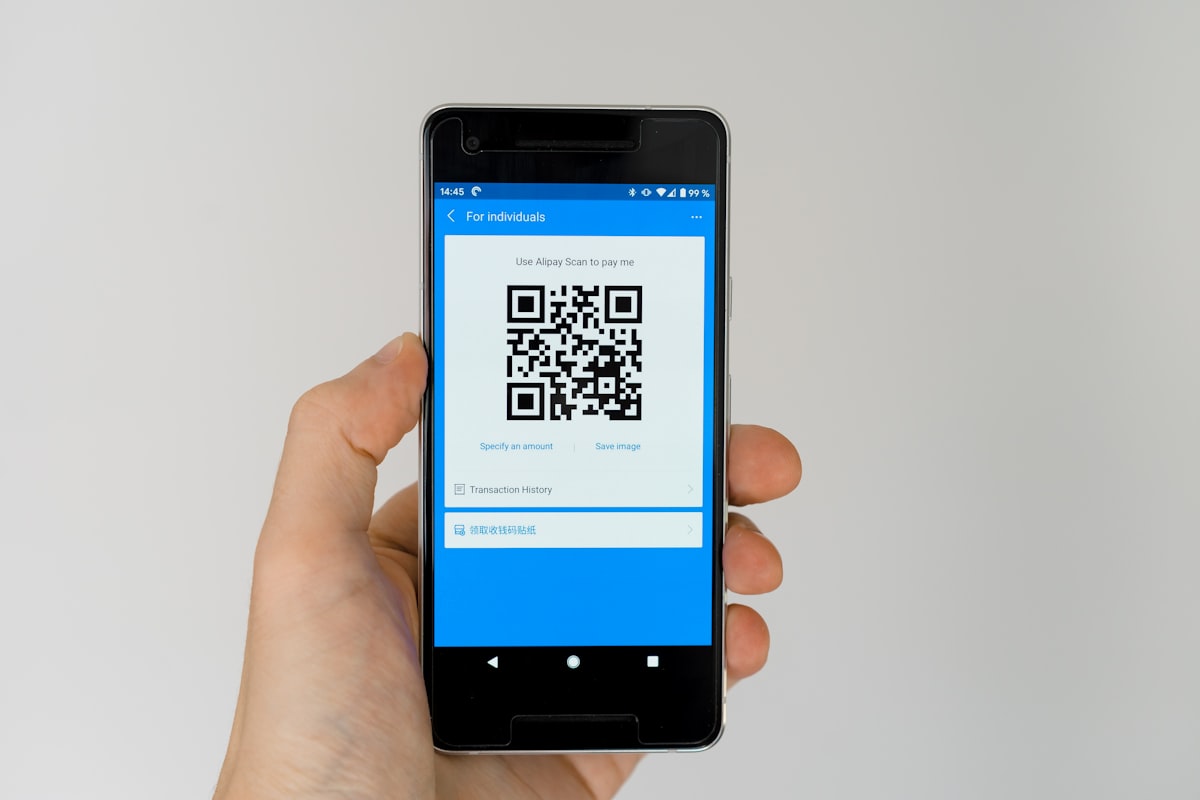
Those black and white squares are everywhere—on product packaging, restaurant menus, business cards, and billboards. QR codes went from obscure automotive technology to ubiquitous marketing tool in just a few decades. Here's everything you need to know about them.
A Brief History of QR Codes
QR (Quick Response) codes were invented in 1994 by Masahiro Hara at Denso Wave, a Japanese automotive company. They needed a way to track vehicle components during manufacturing that was faster than traditional barcodes.
Traditional barcodes hold about 20 characters. QR codes can store over 7,000 characters. This massive capacity, combined with the ability to scan from any angle, made them revolutionary.
For years, QR codes remained primarily a Japanese phenomenon. Western adoption was slow until smartphones made scanning easy. The COVID-19 pandemic finally pushed QR codes into mainstream Western use, as contactless menus and payment systems became essential.
How QR Codes Work
A QR code is essentially a two-dimensional barcode. Key components include:
- Position markers: The three large squares in corners help scanners orient the code
- Alignment pattern: Smaller squares that help with perspective correction
- Timing patterns: Alternating modules that help determine grid size
- Format information: Error correction level and mask pattern
- Data modules: The actual encoded information
- Quiet zone: White border ensuring clean scanning
QR codes include error correction, meaning they can be read even when partially damaged. This is why you can add logos to the center without breaking functionality.
Types of QR Codes
Static QR Codes
Information is permanently encoded. Once generated, it cannot be changed. Best for:
- Business cards
- Product serial numbers
- Simple URLs that won't change
Dynamic QR Codes
The code points to a redirect URL that can be updated. Benefits include:
- Change destination without reprinting
- Track scan statistics
- A/B test different landing pages
Creative Business Uses
Beyond basic links, businesses use QR codes for:
Restaurant Menus
Update prices and items instantly without reprinting. Track which dishes get the most views.
Product Authentication
Luxury brands use unique QR codes to verify authenticity and combat counterfeiting.
Event Ticketing
Digital tickets with QR codes reduce fraud and speed up entry.
WiFi Access
Guests scan once to connect—no typing long passwords.
Payment Systems
Services like PayPal, Venmo, and many international payment apps use QR codes for transfers.
Real Estate
Property listings on signs link to virtual tours and detailed information.
Interactive Packaging
Link to recipes, usage videos, or sustainability information.
Creating Effective QR Codes
Use our QR code generator and follow these best practices:
Design Tips
- Ensure sufficient contrast (dark on light works best)
- Maintain the quiet zone (white border)
- Test at intended print size
- Add a logo carefully—don't obscure too much data
- Choose appropriate error correction for the use case
Content Tips
- Use URL shorteners for cleaner codes
- Mobile-optimize landing pages
- Provide value—don't just link to your homepage
- Include a call-to-action near the code
- Test scanning before mass printing
QR Code Size Guidelines
Minimum sizes depend on scanning distance:
- Business cards: At least 2 cm × 2 cm
- Flyers/brochures: 3-4 cm × 3-4 cm
- Posters: Scale with distance—1 cm per 10 cm of scanning distance
- Billboards: Calculate based on expected viewing distance
QR Code Security Considerations
Be aware of these risks:
- Malicious codes: Criminals place fake QR codes over legitimate ones
- Phishing: Codes can link to fake login pages
- Automatic actions: Some phones execute commands without user confirmation
Safety tips for users:
- Check the URL before visiting
- Be suspicious of QR codes that seem out of place
- Use a scanner app that previews URLs
- Don't scan codes from untrusted sources
The Future of QR Codes
QR codes continue evolving:
- AR integration: Codes triggering augmented reality experiences
- Enhanced design: More creative visual possibilities while maintaining scanability
- Blockchain verification: Tamper-proof authentication for products
- IoT connectivity: Quick pairing with smart devices
Whether you're creating marketing materials, sharing contact information, or building product experiences, QR codes remain one of the most practical bridges between physical and digital worlds. Create yours with our free QR code generator or use the QR code scanner to read existing codes.